
India’s villages offer a glimpse into traditions, craftsmanship, and ways of life that have been preserved for generations. From the snow-covered hamlets of the Himalayas to the coastal villages of Kerala and the desert settlements of Rajasthan, rural India has a charm that is difficult to find in bustling cities.
However, as village tourism grows, it also brings a responsibility. Visiting these places should not come at the cost of disrupting local communities, their culture, or their daily routines. Responsible travel is about appreciating a destination while leaving it exactly as you found it, or even better.
If you’re planning to experience rural India, here’s how you can enjoy exploring villages in India without disturbing local life.
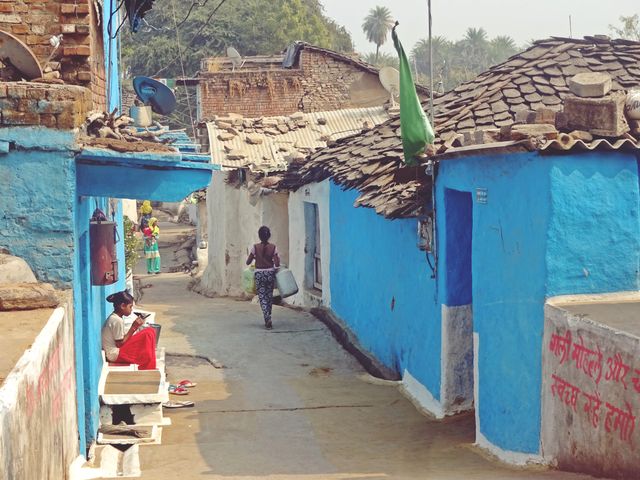
Why Village Tourism Matters
Village tourism creates opportunities for local communities by generating income through homestays, handicrafts, local guides, traditional food, and cultural experiences. It also helps preserve heritage and encourages travelers to explore destinations beyond the usual tourist circuit.
But this only works when visitors travel respectfully and understand that villages are living communities, not open-air museums.
Respect Local Customs and Traditions
Every village has its own customs, beliefs, and social norms. What may seem normal in a city might not be appropriate in a rural setting.
Before visiting:
- Learn about local traditions.
- Dress modestly, especially in conservative areas.
- Respect religious sites and ceremonies.
- Follow local etiquette when entering homes or community spaces.
Showing respect goes a long way in building meaningful interactions.
Always Ask Before Taking Photographs
One of the biggest mistakes travelers make is photographing people without permission.
Children playing, women working, elderly villagers, or artisans may not be comfortable being photographed. Always ask politely before clicking pictures, and accept their decision if they decline.
Remember, capturing memories should never come at the expense of someone’s privacy.
Support Local Businesses
One of the easiest ways to make a positive impact is by spending your money within the community.
Instead of buying mass-produced souvenirs, choose locally made products such as:
- Handwoven textiles
- Pottery
- Bamboo crafts
- Handmade jewelry
- Traditional artwork
- Local spices and food products
This helps preserve traditional skills while supporting local livelihoods.
Stay in Community-Run Homestays
Whenever possible, choose locally owned homestays instead of large commercial accommodations.
Homestays often provide:
- Authentic home-cooked meals
- Cultural experiences
- Local stories and traditions
- Personal interaction with host families
Your stay directly benefits the people who call the village home.
Minimize Plastic Waste
Many villages have limited waste management systems, making plastic pollution a serious concern.
Carry:
- A reusable water bottle
- Cloth shopping bags
- Reusable cutlery
- Steel or bamboo straws if needed
Always take back any non-biodegradable waste if disposal facilities are unavailable.
Respect Nature
Villages are often surrounded by forests, rivers, farms, and wildlife.
While exploring:
- Stay on marked trails.
- Don’t pick flowers or plants.
- Avoid disturbing animals.
- Never leave litter behind.
- Don’t play loud music outdoors.
Nature is an essential part of village life and deserves the same respect as the people who live there.
Be Mindful of Noise
Life in villages is generally quieter than in cities. Loud conversations, music, drones, or parties can disturb both residents and wildlife.
Enjoy the peaceful atmosphere instead of trying to recreate an urban vacation.
Learn a Few Local Words
Even a simple greeting in the local language can make interactions warmer.
Words like “Namaste,” “Dhanyavaad,” or regional greetings show respect and often lead to more meaningful conversations.
People appreciate visitors who make an effort to connect with their culture.
Participate, Don’t Perform
If you’re invited to join a local activity, whether it’s farming, cooking, weaving, or a cultural celebration, participate respectfully.
Avoid treating traditions as entertainment or asking people to repeat rituals simply for social media content.
Authentic experiences happen naturally.
Dress Appropriately
Comfort is important, but so is respecting local culture.
Choose clothing that is:
- Comfortable
- Weather-appropriate
- Modest
- Suitable for religious places
This helps you blend into the environment and shows consideration for local values.
Don’t Bargain Excessively
Negotiating prices is common in many markets, but remember that handmade products often involve hours or even days of work.
Paying a fair price supports artisans and encourages traditional craftsmanship to continue.
Travel Slowly
Instead of rushing through multiple villages in a single day, spend more time in one place.
Slow travel allows you to:
- Understand local culture.
- Build genuine connections.
- Support the local economy.
- Reduce your environmental footprint.
Often, the most memorable experiences come from unplanned conversations rather than packed itineraries.
Keep Social Media Respectful
Not every moment needs to become online content.
Before posting:
- Avoid sharing images of people without permission.
- Don’t reveal sensitive locations that could attract overtourism.
- Focus on sharing stories that educate and inspire rather than sensationalize.
Responsible storytelling helps protect the destinations you love.
Benefits of Responsible Village Tourism
When travelers explore villages responsibly, everyone benefits.
For travelers:
- Authentic cultural experiences
- Meaningful interactions
- Unique memories
- Better understanding of rural life
For local communities:
- Sustainable income
- Preservation of traditional crafts
- Cultural pride
- Employment opportunities
- Reduced migration to cities
Frequently Asked Questions
Is it okay to visit villages in India as a tourist?
Yes. Many villages welcome visitors, especially those interested in local culture, crafts, agriculture, and responsible tourism. The key is to visit respectfully and support the community.
Can I take photographs in Indian villages?
Yes, but always ask for permission before photographing people, private homes, or religious ceremonies.
How can I support local communities while travelling?
Stay in locally owned homestays, eat at family-run establishments, hire local guides, and buy handmade products directly from artisans.
Why is responsible village tourism important?
Responsible tourism helps preserve local traditions, protects the environment, supports community livelihoods, and ensures tourism benefits residents rather than disrupting their way of life.
Exploring villages in India is about more than discovering beautiful landscapes or taking stunning photographs. It’s an opportunity to connect with people, understand different ways of life, and appreciate traditions that have stood the test of time. By travelling with empathy, supporting local communities, and respecting their culture and environment, you help ensure that village tourism remains sustainable for generations to come. The most rewarding journeys are often the ones where you leave only footprints and take back meaningful memories.