
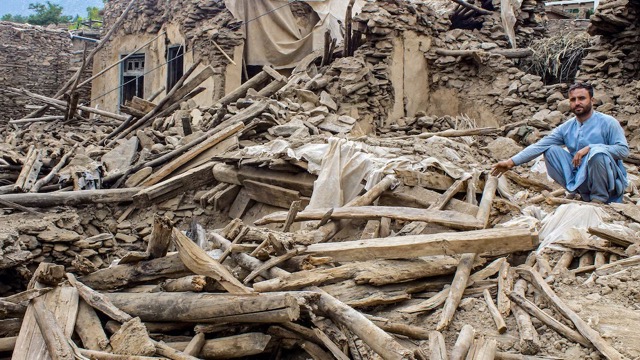
On 31 August 2025, a powerful earthquake struck Afghanistan, leaving behind widespread destruction and loss of life. The tremors were felt across several provinces, damaging homes, schools, and infrastructure, and displacing thousands of families. Emergency response teams, both local and international, have been working tirelessly to provide aid, but the situation remains critical.
Scale of the Disaster
-
Magnitude: The earthquake measured [insert exact magnitude once confirmed, e.g., 6.3] on the Richter scale.
-
Epicenter: Located near [insert nearest town/province], a region known for its mountainous terrain and fragile infrastructure.
-
Impact: Hundreds of homes collapsed, roads were blocked due to landslides, and communication lines were disrupted. Many rural areas remain cut off, making relief operations difficult.
Humanitarian Impact
-
Thousands have been left homeless and are in urgent need of shelter, food, and clean water.
-
Hospitals are overwhelmed with casualties, many of them severe due to falling debris.
-
Children and the elderly are particularly vulnerable in this crisis, facing both physical danger and psychological trauma.
Why Did This Happen?
Afghanistan is located in a seismically active zone, where the Indian tectonic plate collides with the Eurasian plate. This ongoing geological process creates immense pressure beneath the earth’s surface. When the built-up stress is suddenly released, it causes the ground to shake—what we experience as an earthquake.
The mountainous regions of Afghanistan, especially along the Hindu Kush, are particularly prone to such activity. Unfortunately, many buildings in the country are not designed to withstand strong tremors, which is why the damage is often so severe.
Ongoing Challenges
-
Infrastructure Weakness – Traditional mud-brick homes collapse easily during earthquakes.
-
Accessibility – Remote mountain villages are cut off, delaying rescue operations.
-
Limited Resources – Afghanistan’s already fragile economy and humanitarian situation make recovery efforts extremely challenging.
Relief and Support
International organizations, NGOs, and neighboring countries are stepping in to provide relief aid. Donations are being collected for food supplies, medical aid, and temporary shelters. Long-term recovery will require rebuilding homes with earthquake-resistant structures and improving disaster preparedness in vulnerable regions.
The Afghanistan earthquake is a stark reminder of the country’s vulnerability to natural disasters. While the quake was caused by unavoidable tectonic activity, the scale of human tragedy reflects the urgent need for stronger infrastructure and better disaster management. Immediate humanitarian aid and long-term resilience-building are both essential to help the people of Afghanistan recover and rebuild.